
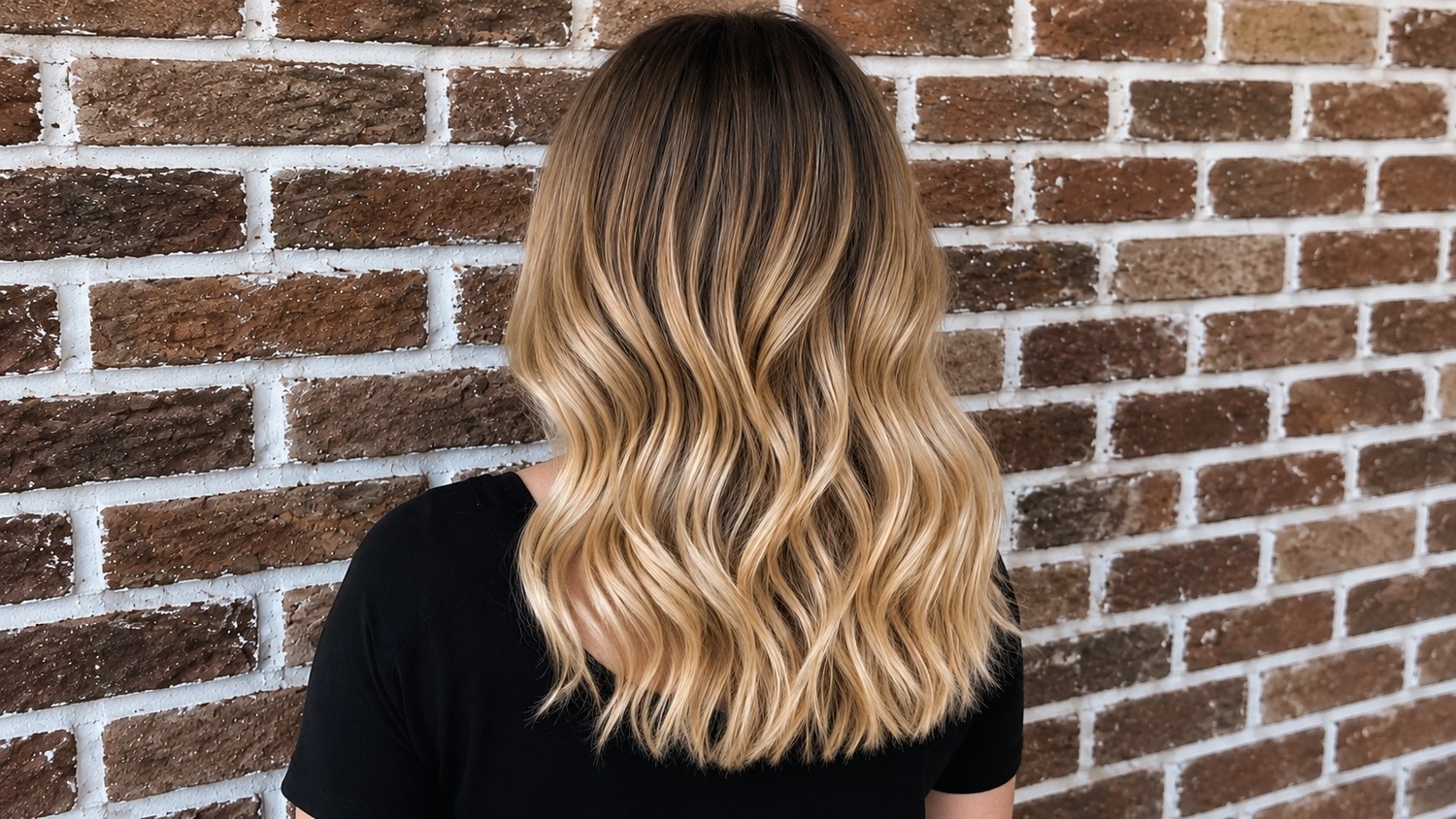
Root melt vs root shadow is a common comparison because both are popular hair colouring techniques used to create a softer, more natural transition between your roots and the rest of your hair. While they may look similar at first, each technique is applied differently and produces a unique finish. A root melt blends your natural root colour further into the lengths of your hair for a seamless effect, while a root shadow adds a darker shade near the roots to create depth and contrast. At Lordis Loft Salon & Spa, our experienced colourists customise each technique to suit your hair colour, lifestyle, and maintenance preferences. Whether you’re searching for a hair salon near me or simply exploring your colour options, understanding the differences between a root melt and a root shadow will help you choose the best treatment for your desired look.
Key Takeaways
- Root melt and root shadow both create softer colour transitions.
- A root melt blends colour further down the hair.
- A root shadow focuses mainly on the roots.
- Both techniques reduce visible regrowth.
- Your ideal option depends on your desired finish and maintenance routine.
What Is the Difference Between Root Melt and Root Shadow?
Although these techniques are often confused, they are not the same. Both help soften the line between your natural roots and lighter hair, but they achieve this effect in different ways. A root melt blends the root colour into the mid-lengths for a seamless fade, while a root shadow keeps the darker shade closer to the roots to create depth and definition.
The choice depends on how natural or bold you want your finished colour to appear and how often you plan to visit the salon for touch-ups.
What Is a Root Melt?
A root melt is a colouring technique where your stylist blends your natural root colour into the lighter sections of your hair. Instead of creating a clear colour line, the darker shade gradually “melts” into the rest of the hair for a smooth transition.
This technique is especially popular after highlights or balayage because it creates a softer finish and helps the colour grow out more naturally. It is also an excellent option for clients who prefer lower-maintenance hair colour.
A root melt offers several benefits:
- Creates a seamless colour blend
- Softens harsh colour lines
- Reduces visible regrowth
- Extends the life of your colour
- Produces a natural-looking finish
What Is a Root Shadow?
A root shadow is another professional colouring technique that adds a darker shade only at the root area. Unlike a root melt, the darker colour stays concentrated near the scalp instead of blending deeply into the hair.
The result is added depth around the roots while maintaining brighter ends. Many people choose a root shadow because it creates contrast without dramatically changing the rest of the colour. If you’re exploring Charleston hair salons, choosing an experienced colourist ensures the technique is customised to complement your hair colour and desired finish.A root shadow is commonly recommended for clients who want to make blonde or highlighted hair appear softer and more dimensional.
Root Melt vs Root Shadow: A Side-by-Side Comparison
While both techniques improve the appearance of colour regrowth, they produce different visual effects. Understanding these differences makes it easier to choose the option that matches your personal style.
| Root Melt | Root Shadow |
|---|---|
| Colour blends further into the hair | Colour stays close to the roots |
| Creates a soft transition | Creates more depth near the scalp |
| Very natural grow-out | More defined root area |
| Ideal for soft blending | Ideal for adding contrast |
| Often paired with balayage | Common with highlights |
Both techniques can be customised to suit different hair colours and hairstyles.
Which Technique Looks More Natural?
If your goal is a soft, effortless finish, a root melt is usually the better option. Because the darker colour blends gradually into the lighter lengths, there is no harsh line between shades. The result looks natural even as your hair grows.
A root shadow also creates a beautiful finish, but it leaves slightly more contrast around the roots. Some clients prefer this because it adds extra depth and makes the lighter sections stand out more.
The best choice depends on the overall look you want to achieve and your personal colour preferences.
Which Hair Colours Work Best?
Both techniques work well with a wide range of hair colours. Whether your hair is blonde, brunette, black, or copper, your stylist can customise the shade to complement your complexion and haircut.
A root melt is often chosen for softer colour blends, while a root shadow is popular with brighter blondes and clients who want extra dimension.
Some of the most popular colour combinations include:
- Blonde with darker natural roots
- Caramel on brunette hair
- Honey blonde blends
- Ash blonde transitions
- Rich brunette colour melts
Professional colour matching helps create the most flattering and natural-looking result.
Can You Combine These Techniques?
Many professional colourists combine both techniques to create the perfect balance of depth and softness. For example, a stylist at a beauty salon Charleston may apply a root shadow close to the scalp before blending it into a gentle root melt through the mid-lengths.
This customised approach creates a multidimensional finish that looks polished while allowing the colour to grow out beautifully. It is especially popular after balayage or highlight services because it helps the colour appear more seamless and natural.
Which Option Is Easier to Maintain?
Maintenance is one of the biggest reasons people choose either a root melt or a root shadow. Both techniques help soften the appearance of new hair growth, but a root melt usually requires fewer salon visits because the colour blends further into the hair. This creates a more natural grow-out and reduces the appearance of harsh root lines.
A root shadow also grows out beautifully, but clients who prefer a crisp, defined root area may choose to refresh it a little more often. Your stylist can recommend the best maintenance schedule based on your hair colour and lifestyle.
How Do These Techniques Work with Balayage?
Both root melt and root shadow pair beautifully with balayage because they create a softer transition between your natural roots and lighter ends. Many stylists finish a balayage appointment with one of these techniques to make the colour look more polished and longer lasting.
If you’re concerned about balayage maintenance, adding a root melt can help extend the time between appointments by allowing your colour to grow out more naturally. This makes it a popular choice for clients who prefer a low-maintenance hair colour routine.
What Is a Root Smudge?
A root smudge is another blending technique that is often mentioned alongside root melts and root shadows. While all three soften the transition between natural roots and lighter hair, a root smudge uses a softer application with less colour saturation.
Unlike a root melt, which blends colour further through the hair, a root smudge focuses on gently blurring the root line for a softer finish. An experienced stylist will recommend the technique that best complements your existing colour and desired result.
Which Technique Is Right for You?
Choosing between a root melt and a root shadow depends on the final look you want and how much maintenance you’re comfortable with. Both techniques can be customised to suit your hair colour, haircut, and lifestyle, making them excellent options for anyone looking to achieve a natural-looking blend.
Consider these factors before choosing:
- Choose a root melt if you prefer a soft, seamless transition.
- Choose a root shadow if you want added depth at the roots.
- Consider your maintenance schedule.
- Think about your natural hair colour.
- Ask your stylist which technique suits your haircut best.
A personalised consultation will help you choose the option that enhances your overall style.
How Much Do Root Melt and Root Shadow Cost?
The cost of either service depends on factors such as your hair length, colour goals, and whether the technique is combined with highlights or balayage. Prices may also vary depending on your stylist’s experience and the products used during your appointment.
Although both services require professional application, they are often more cost-effective than frequent full-colour appointments because they help your colour grow out more naturally.
Why Choose Lordis Loft Salon & Spa?
Professional colour placement makes all the difference when creating a beautiful, blended finish. At Lordis Loft Salon & Spa, our colour specialists personalise every service to suit your natural hair colour, skin tone, and maintenance preferences. We focus on creating healthy, long-lasting results while protecting the condition of your hair.
Whether you’re looking for a trusted hair salon charleston sc or exploring the top charleston hair salons, our experienced team is here to help you achieve the perfect colour blend with expert advice and premium salon products.
You may also enjoy exploring our:
- Hair Colour Services
- Balayage Services
- Highlights
- Haircuts & Styling
- Hair Extensions
If you’re looking for professional hair styling near me, our team can recommend the best colour technique to suit your style and maintenance goals.
Conclusion
Understanding root melt vs root shadow helps you choose the colouring technique that best matches your style, hair type, and maintenance routine. While both methods create softer, more natural transitions, a root melt offers a seamless blend through the hair, whereas a root shadow adds depth and definition at the roots. A professional consultation can help determine which option will give you the beautiful, long-lasting results you want.
Ready to refresh your hair colour with a professionally blended finish? Contact Lordis Loft Salon & Spa today to book your consultation and let our expert colourists create a customised look you’ll love.
Frequently Asked Questions
Neither technique is better than the other. A root melt creates a softer, more gradual blend, while a root shadow adds more depth near the roots. The best choice depends on your hair goals and maintenance preferences.
Most people enjoy the results of a root melt for around 8 to 12 weeks, depending on hair growth and home care. Because the colour blends naturally, regrowth is usually less noticeable.
Yes. A root shadow is commonly used on blonde hair to soften harsh root lines, create dimension, and produce a more natural-looking finish.
Absolutely. Many stylists combine a root melt with highlights to create a seamless transition between the darker roots and lighter lengths.
A root melt is generally considered the lower-maintenance option because it blends further into the hair, making regrowth appear softer over time.

Comments are closed.