
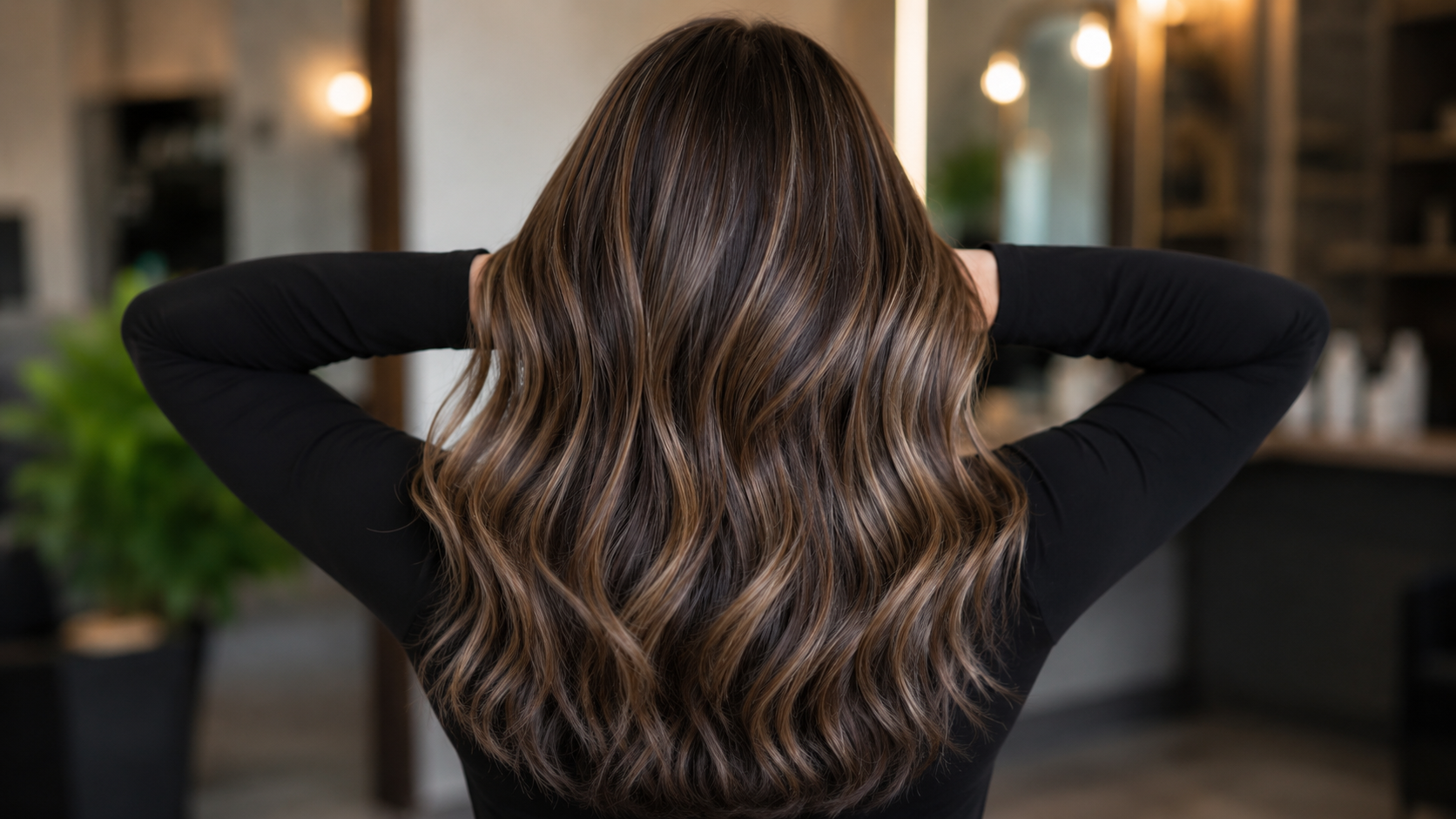
Blending gray hair is the better choice if you want a natural, low-maintenance look that softens gray strands, while full gray coverage is ideal if you prefer complete, even color that hides every gray hair. The right technique depends on your hair goals, lifestyle, and how often you’re willing to visit the salon for touch-ups. At Lordis Loft, our experienced color specialists understand that every client has unique hair needs. We offer personalized consultations to recommend the best coloring technique based on your hair type, the amount of gray hair you have, and the look you want to achieve. Whether you’re looking for a subtle blend or full gray coverage, our team uses professional coloring techniques to deliver beautiful, long-lasting results while keeping your hair healthy and vibrant.
In this guide, we’ll compare blending gray hair and full gray coverage, explain their benefits and maintenance needs, and help you decide which option is the perfect fit for your style and routine.
Key Takeaways
- Gray blending creates a soft and natural transition between gray and colored hair.
- Full gray coverage completely hides gray strands with permanent color.
- Gray blending usually requires fewer touch-up appointments.
- Full coverage is often the better choice for people with a high percentage of gray hair.
- Your lifestyle, maintenance routine, and desired look should guide your decision.
- A professional stylist can recommend the right coloring method based on your hair type.
What Is Blending Gray Hair?
Blending gray hair is a coloring technique that softens gray strands instead of hiding them completely. Rather than creating one solid hair color, your stylist mixes your natural shade with carefully placed color to make gray hair blend seamlessly with the rest of your hair.
The goal is to create a natural appearance with depth and dimension. Instead of noticeable roots as your hair grows, the transition remains smooth and less obvious.
Professional stylists may use several coloring methods depending on your hair color and the amount of gray hair you have.
Common techniques include:
- Demi-permanent hair color
- Babylights
- Balayage
- Lowlights
- Toners
- Color gloss treatments
These techniques work together to create a softer finish that looks effortless while allowing some natural gray to remain visible.
What Is Full Gray Coverage?
Full gray coverage uses permanent hair color to completely cover every gray strand. The goal is to produce one even hair color from roots to ends without allowing natural gray hairs to show.
Many people choose this method because it delivers consistent, rich color and creates a polished appearance. It works especially well for individuals with a larger percentage of gray hair or those who prefer a youthful, uniform look.
A full gray coverage appointment may include:
- Permanent hair color
- Root touch-ups
- Shine gloss
- Deep conditioning treatments
Although this technique provides complete coverage, new gray roots become visible as your hair grows. Because of this, maintenance appointments are usually needed every four to six weeks.
Understanding the Difference Between Gray Blending and Full Gray Coverage
At first glance, both coloring techniques may seem similar. However, they produce very different results. One blends gray hair naturally, while the other completely conceals it.
Choosing between them depends on your personal style, maintenance preferences, and long-term hair goals.
Overall Appearance
Gray blending creates a multidimensional finish. Instead of hiding every gray strand, it allows silver hairs to become part of the overall color. The result looks soft, modern, and natural.
Full gray coverage creates a uniform appearance by coloring every gray strand the same shade. This provides a clean, polished finish with consistent color throughout the hair.
| Gray Blending | Full Gray Coverage |
|---|---|
| Soft, natural finish | Complete gray coverage |
| Gray blends with natural color | Gray completely hidden |
| Dimensional appearance | Solid, even color |
| Less visible grow-out | Noticeable root regrowth |
Maintenance Requirements
Maintenance is one of the biggest differences between these techniques. Gray blending grows out gradually, making root regrowth much less noticeable. This allows many people to wait longer between salon visits.
Full gray coverage creates a stronger contrast between colored hair and new gray roots. As a result, touch-ups are usually needed more often to maintain an even appearance.
Gray blending is often ideal if you:
- Prefer low-maintenance hair
- Have a busy schedule
- Travel frequently
- Want fewer salon appointments
Full gray coverage may be better if you:
- Like consistent hair color
- Prefer a polished appearance
- Don’t mind regular root touch-ups
- Want every gray strand covered
Who Should Choose Blending Gray Hair?
Not everyone wants to hide every gray strand. In recent years, more people have embraced natural-looking color that works with their changing hair instead of against it.
Blending gray hair is an excellent option for anyone looking for a softer transition. It enhances your natural hair color while reducing the contrast between gray and pigmented strands.
This technique is often recommended for people who:
- Have about 20–60% gray hair
- Want a natural appearance
- Prefer fewer maintenance appointments
- Like dimensional hair color
- Are growing out permanent color
- Want subtle changes instead of dramatic ones
Many stylists also recommend adding gray blending highlights to brighten the hair while helping gray strands disappear naturally into the overall style. These highlights create movement and depth without producing harsh lines.
Who Benefits Most from Full Gray Coverage?
Full gray coverage is usually the best choice for people who want complete control over their hair color. Instead of blending silver strands, it hides them completely to create one consistent shade.
This method is especially popular among individuals with a high percentage of gray hair because it delivers predictable and long-lasting results.
You may benefit from full gray coverage if you:
- Have more than 70% gray hair
- Prefer one solid hair color
- Enjoy regular salon visits
- Want a youthful appearance
- Like classic permanent color services
While maintenance is higher than gray blending, many people appreciate the confidence that comes with flawless root coverage and rich, even color.
Cost Comparison: Which Option Is More Affordable?
The cost of your hair color service depends on your hair length, the amount of gray hair, and the technique your stylist uses. While prices vary from salon to salon, blending gray hair is often less expensive over time because it usually requires fewer touch-up appointments.
Full gray coverage may cost more in the long run because root maintenance is needed more frequently to keep the color looking fresh. Although the initial appointment prices can be similar, regular visits add to the overall investment.
If you’re comparing your options, consider these factors:
- Initial salon appointment cost
- Frequency of touch-ups
- Hair care products needed at home
- Time spent on maintenance
- Long-term coloring budget
Choosing the most affordable option isn’t only about the first appointment. It’s also about how much time and money you’re comfortable investing throughout the year.
Which Technique Lasts Longer?
Many people assume permanent color always lasts longer, but the answer depends on what you mean by “lasting.” Permanent color stays on the hair, yet new gray roots become visible as your hair grows. This often makes it seem like the color fades faster.
With blending gray hair, root regrowth is much less noticeable because the gray is already part of the overall look. Even as your hair grows, the transition remains soft and natural. If you’re looking for professional color services at an aveda hair salon charleston sc, an experienced stylist can recommend the best technique based on your hair type, lifestyle, and maintenance preferences. This personalized approach helps you achieve beautiful, natural-looking results that stay fresh between salon visits.
In general:
- Gray blending often looks fresh for 8–12 weeks.
- Full gray coverage usually needs root touch-ups every 4–6 weeks.
- Both techniques benefit from color-safe shampoos and conditioners.
- Heat protection helps preserve shine and color.
Your hair care routine plays an important role in extending the life of either coloring technique.
Which Option Is Better for Hair Health?
Healthy hair starts with proper care, regardless of the coloring method you choose. Both techniques can be performed safely when applied by an experienced stylist using quality products.
However, blending gray hair often uses demi-permanent color or lighter techniques that may require fewer chemical treatments over time. This can help reduce repeated processing, especially if you choose longer intervals between appointments.
To keep colored hair healthy:
- Use sulfate-free shampoo.
- Deep condition once a week.
- Protect hair from heat styling.
- Avoid washing with very hot water.
- Schedule regular trims.
Healthy hair not only feels better but also helps color stay vibrant for a longer period.
How Gray Blending Highlights Create a Natural Look
One reason gray blending highlights have become so popular is their ability to soften gray hair without creating harsh color lines. Instead of covering every strand, highlights are placed strategically to add brightness and depth.
This technique creates a seamless blend between natural hair and silver strands. As your hair grows, the highlights continue to look natural, reducing the appearance of obvious regrowth.
Some benefits of gray blending highlights include:
- Softer transition between gray and natural hair
- Added movement and dimension
- Less noticeable roots
- Brighter overall appearance
- Lower maintenance than permanent color
Because every person’s hair is different, your stylist can customize highlight placement based on your natural color and gray pattern.
Pros and Cons of Blending Gray Hair
Every coloring technique has strengths and limitations. Understanding both can help you choose the option that best fits your lifestyle.
Pros
- Creates a natural-looking finish
- Requires fewer salon visits
- Softens visible root regrowth
- Adds dimension to the hair
- Works well with many hairstyles
Cons
- Does not completely hide gray hair
- May require several appointments for the perfect blend
- Results vary depending on natural hair color
- Not ideal for people wanting solid color
Gray blending is an excellent choice for those who prefer subtle beauty and low-maintenance hair care.
Pros and Cons of Full Gray Coverage
Full gray coverage remains a trusted option for people who want complete color consistency. It offers dramatic results but also requires a greater maintenance commitment.
Pros
- Covers every gray strand
- Creates one even hair color
- Delivers bold, polished results
- Suitable for a high percentage of gray hair
- Offers predictable color outcomes
Cons
- Root regrowth becomes noticeable quickly
- Requires frequent touch-up appointments
- Higher long-term maintenance costs
- More salon visits throughout the year
If maintaining one consistent hair color is your priority, full gray coverage continues to be one of the most effective options.
Common Myths About Gray Hair Coloring
Many misconceptions still surround gray hair coloring. Believing these myths can make it harder to choose the right service.
Myth 1: Gray Hair Must Always Be Covered
Many people now choose blending techniques because they create a softer, more modern appearance. Complete coverage is no longer the only attractive option.
Myth 2: Gray Blending Doesn’t Last
When done professionally, gray blending can stay beautiful for several weeks while making regrowth much less noticeable than permanent color.
Myth 3: Coloring Always Damages Hair
Professional coloring services combined with proper aftercare can keep hair healthy, shiny, and manageable.
Myth 4: Only Older Adults Get Gray Hair
Gray hair can appear at many different ages due to genetics, stress, or natural aging. Hair coloring options are available for adults of all ages.
How to Choose the Right Technique for Your Hair
The best coloring technique depends on more than the number of gray hairs you have. Your daily routine, maintenance preferences, and personal style all play an important role.
Consider these questions before making your decision:
- How often can you visit the salon?
- Do you prefer a natural or polished appearance?
- How much gray hair do you currently have?
- Do you enjoy changing your hair color regularly?
- Are you looking for low-maintenance results?
A professional consultation allows your stylist to examine your hair, discuss your goals, and recommend the coloring method that will deliver the best long-term results.
Conclusion
Choosing between blending gray hair and full gray coverage comes down to your personal style, maintenance preferences, and long-term hair goals. If you want a soft, natural look with less noticeable root growth, blending gray hair is an excellent option. On the other hand, if you prefer a rich, even color that completely hides gray strands, full gray coverage may be the better choice.
Both techniques can deliver beautiful results when tailored to your hair type and lifestyle. A professional stylist can assess your hair, discuss your expectations, and recommend the coloring method that best complements your features while keeping your hair healthy. Ready for a fresh, confidence-boosting look? Contact Lordis Loft today to schedule your personalized consultation and discover the perfect gray hair coloring solution for your unique style.
Frequently Asked Questions
No. Blending gray hair softens the appearance of gray strands instead of covering every one. The result looks more natural and grows out gracefully.
Permanent hair color provides complete gray coverage, but new gray roots appear as your hair grows. Regular touch-ups are needed to maintain the color.
Gray blending generally requires fewer salon visits because root regrowth blends naturally with the existing color.
Yes. Professional stylists can customize gray blending for blonde, brunette, red, and dark hair using techniques such as lowlights, glosses, and strategic highlights.
Yes. Many first-time clients choose gray blending because it offers a subtle change without committing to frequent maintenance.

Comments are closed.